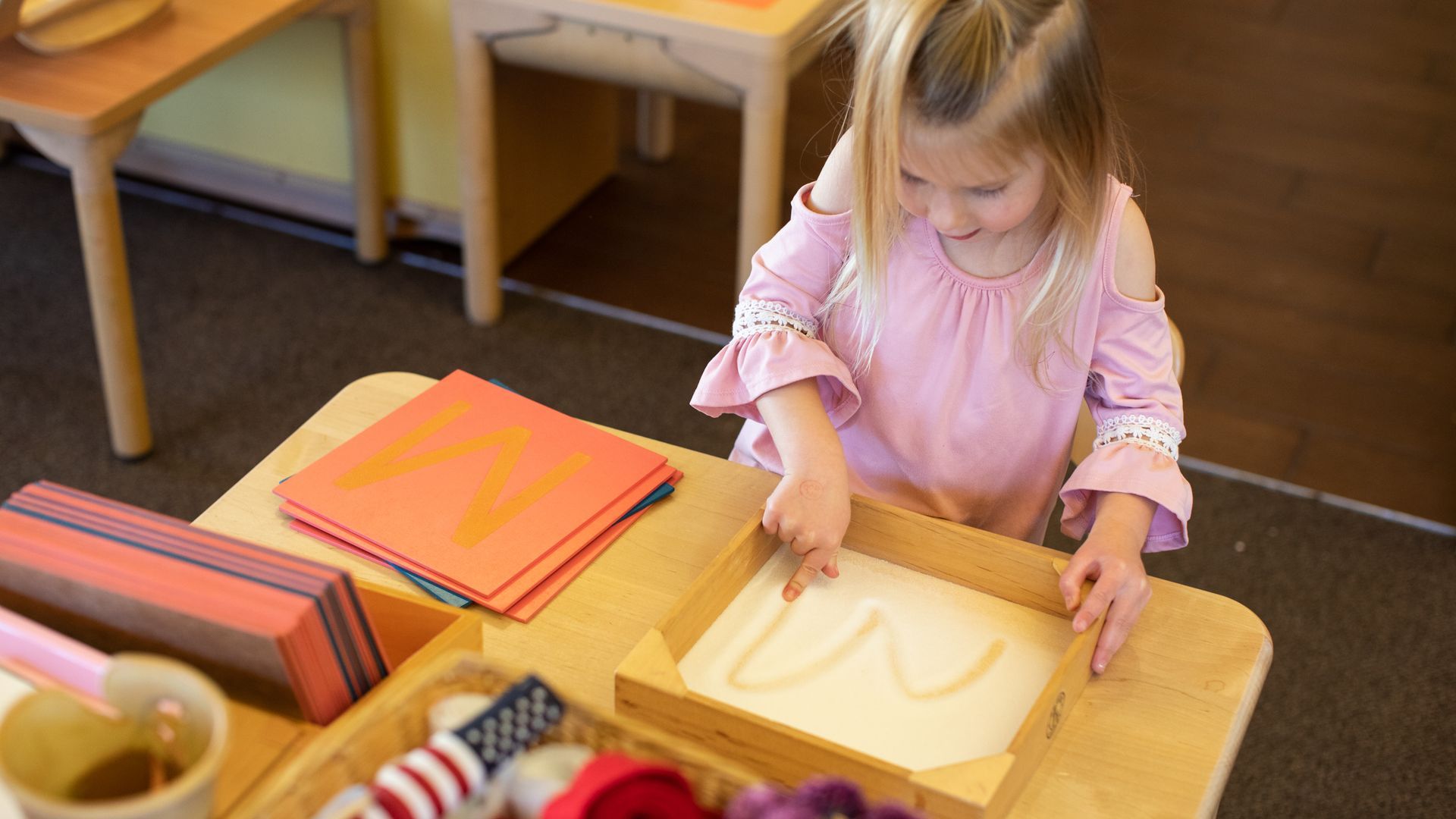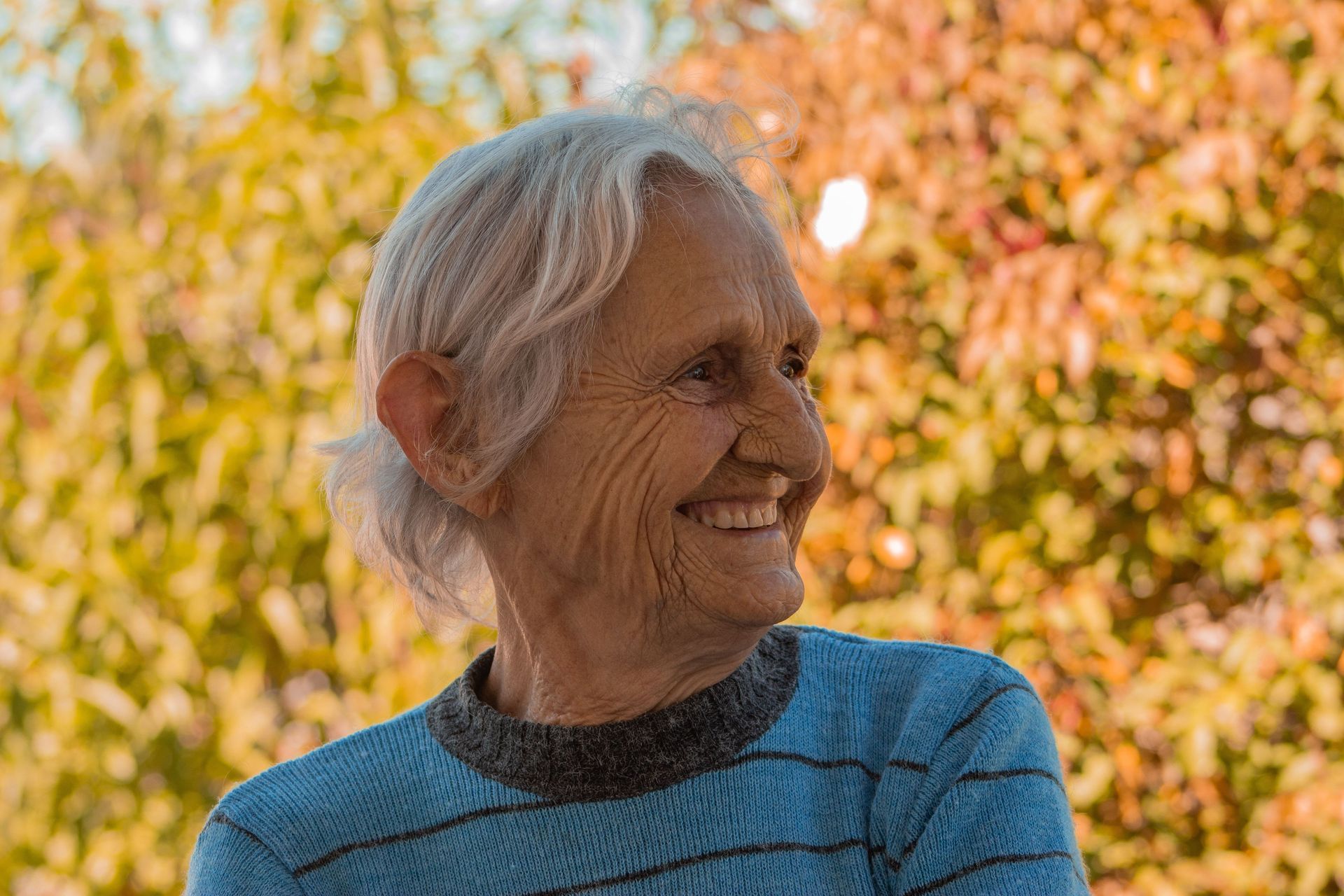
Montessori is a philosophy of education that was built entirely with human development and dignity in mind. In our classrooms, we deeply honor each individual, preparing a beautiful environment where they can learn, grow, and act with as much personal independence as possible. While we typically associate this approach with early childhood, Dr. Maria Montessori's vision was never limited to youth. She recognized that human development spans across natural stages, extending all the way into adulthood through what she termed the Planes of Development.
In recent decades, researchers, psychologists, and caregivers have recognized something profound: the basic ideals of the Montessori philosophy shouldn't be reserved for children alone. They support the inherent dignity, self-worth, and identity of all human beings, at every stage of life. Today, there is an incredibly inspiring movement applying Montessori methods to elder care and memory support, with numerous recent studies demonstrating how a prepared environment can beautifully transform long-term care culture.
When you think about it, the connection is entirely natural. As people age or navigate cognitive changes like dementia, they often require physical or emotional support. Yet, just like the young child, their internal spirit still desires autonomy. Caregivers and families want to find ways for aging adults to remain as independent, connected, and capable as possible.
The Research: Montessori Principles in Residential Care
To understand how these principles translate to older adults, we can look to a few breakthrough findings from experts who are shifting the landscape of elder care:
The ABLE Model: Person-Centered Success
In a widely recognized study focusing on residential dementia care, researchers examined the implementation of the ABLE model. This model directly incorporates Montessori principles to build upon the existing capacity and inherent abilities of residents through system-wide organizational changes.
Just like a Montessori classroom, this approach requires transforming the physical environment into a navigable, supportive space, alongside specialized training for caretakers who embrace a role very similar to a Montessori guide. Rather than treating care as a rigid, transactional routine, the model requires gathering deep knowledge of each resident’s unique background to understand their personal interests and needs.
The results of this person-centered, Montessori-aligned shift are extraordinary:
- Facilities documented dramatic decreases in both antipsychotic and sedative medications.
- Residents experienced significantly reduced aggressive and agitated behaviors.
- Visiting researchers and grateful family members observed residents peacefully and actively engaged in meaningful daily activities.
- Staff members expressed highly positive feelings, noting a deeper, more empathetic understanding of patient care.
DementiAbility: Creating Roles, Routines, and Purpose
Another groundbreaking framework, DementiAbility Methods: The Montessori Way, focuses intensely on the abilities, strengths, and interests of the individual. The goal is to create worthwhile, meaningful roles, routines, and activities for residents within a supportive physical environment.
This method expands on person-centered care with highly practical, environmental scaffolding:
- Visual Clues: Implementing large-print name tags for staff, residents, and visitors to ease social barriers, reduce anxiety, and support reading comprehension.
- Memory Preservation: Collaborating with families to create personalized memory books for each resident, honoring their life stories and protecting their unique personality.
- Community Contribution: Emphasizing daily routines that allow residents to actively contribute to their shared space, restoring a profound sense of purpose and community engagement.
Best Practices for Meaningful Engagement
When applying Montessori-Based Dementia Programming (MBDP), the goal is to bridge the gap between traditional Montessori education and memory care. The practical strategies designed by experts beautifully mirror the daily rhythms you might see in our multi-age classrooms:
- Focus on Process, Not Product: It does not matter if a person perfectly completes a puzzle or an activity; what matters is their internal concentration, sensory stimulation, and the joy of being engaged.
- Prepared Activity Stations: Incorporating accessible choice shelves or waiting-room baskets filled with a variety of hands-on materials to meet a wide range of cognitive, tactile, and physical needs.
- Practical Life and Freedom of Movement: Utilizing familiar, everyday activities that promote control of movement, coordination, and independent choice. Residents are given the freedom to select an activity and repeat the action as often as they need to.
- Hospitality and Mobility: Creating welcoming hospitality kits featuring tactile, self-correcting activities, or utilizing a mobile activity cart that can bring beautiful, engaging options directly from room to room.
A Shared Philosophy of Human Flourishing
If these principles sound familiar, it is because they are identical to the foundation of our daily work at Rose Hill Montessori School. Observing the individual to determine their true needs, allowing the freedom to explore within a safe environment, and offering meaningful choices are universal keys to human happiness.
Whether a human being is three years old and learning to sweep up a spill, or an older adult maintaining their residential space, the internal drive remains the same: a desire for capability, respect, and a meaningful place within a community. Individual independence is never just a milestone for youth; it is the beautiful, lifelong path toward mutual respect and profound connection at every age.
Experience a Prepared Environment
What do you make of these beautiful connections between child development and elder care? Are there specific materials or activities you can see being particularly helpful for the older adults in your own life?
Seeing a prepared environment in action is the best way to understand its universal power. We invite you to
schedule a visit at Rose Hill Montessori School here in Boise, Idaho, to see firsthand how environments designed around respect and independence create peaceful, collaborative communities.