As parents and caregivers who care deeply about education and human development, honoring children as whole individuals is second nature.
When it comes to the day-to-day work of raising children, however, our natural inclination is to protect, direct, and guide. While those instincts are essential for safety and security, our well-intentioned intervention can sometimes inadvertently overshadow a child’s unique developmental path.
In Montessori education, we frequently talk about the practice of "following the child." What this truly means is suspending our adult assumptions about how things should be done, stepping back, and observing the child to discover what they actually need, want, and are capable of accomplishing.
When we show children that we trust them, trusting their capacity to learn, to care for themselves and their environment, and to recognize their own needs, we offer them the ultimate foundation for lifelong confidence and self-reliance.
What Does Independence Look Like in the Classroom?
In traditional educational settings, teachers are often socialized to believe they must actively instruct and control the classroom at all times. Stepping back can feel like an omission of duty.
Dr. Maria Montessori viewed the adult's role quite differently, noting: “The greatest sign of success for a teacher is to be able to say, ‘The children are now working as if I did not exist.’”
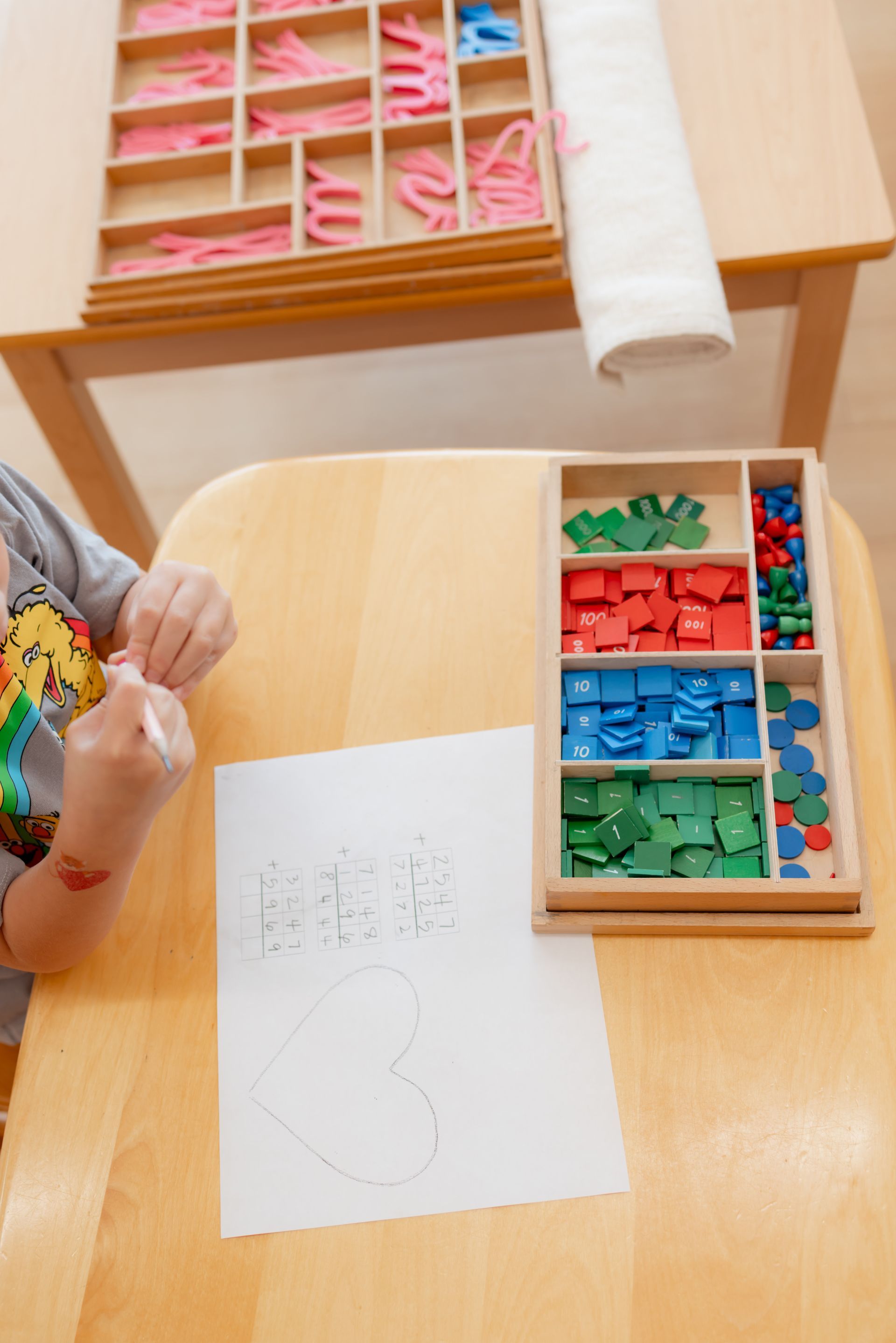
At Rose Hill Montessori, our guides present lessons designed to spark curiosity rather than simply deliver ready-made answers. Our primary goal is to prepare an environment that invites children to do as much for themselves as they are developmentally capable of doing. When a child can complete a task without adult intervention, we consider that a true victory for their emerging autonomy.
Signposts of a Prepared Environment Honoring Independence
- Low, Open Shelving: Materials are organized sequentially on accessible shelves so children can select and return work independently.
- Authentic, Child-Sized Tools: Real glass cups, metal pitchers, small cutting knives, and child-sized dustpans, mops, and sponges allow children to care for themselves and their space safely.
- Freedom of Movement and Choice: Children select work that calls to them, sit where they feel comfortable, and move about the room as their body requires.
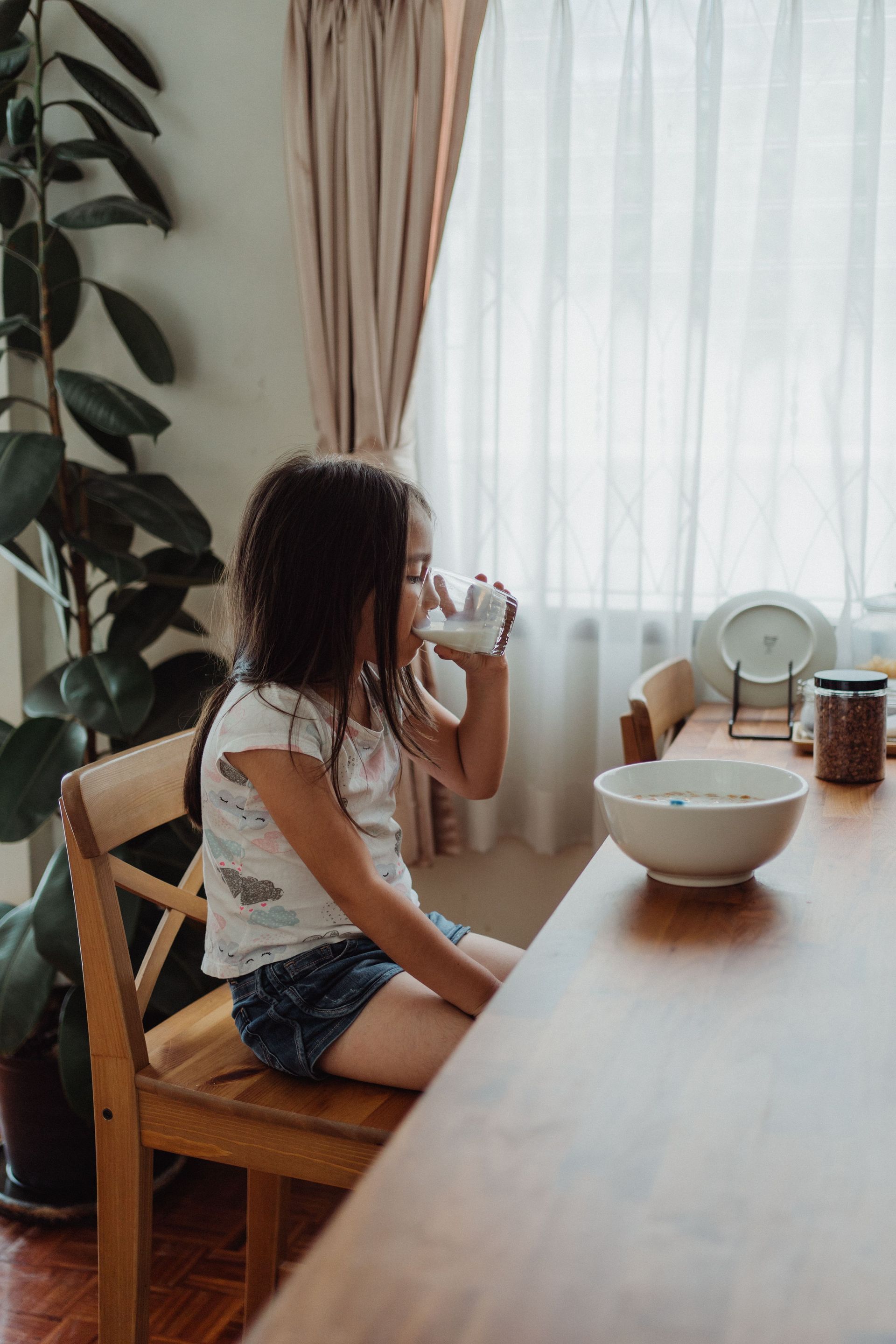
- Self-Directed Bodily Care: Children access the restroom, pour water, or have a snack when their internal cues indicate hunger or thirst, without needing to ask for adult permission.
- Individualized Learning Pace: Children progress through concepts as they master them, rather than moving in lockstep with a group.
What Might This Look Like for Families at Home?
Bringing these principles into your home environment does not require turning your house into a classroom. Small, intentional adjustments can dramatically shift the dynamic from adult-managed tasks to self-directed capability.
1. Honor Personal Choice Within Boundaries
Allow your child, even your toddler, to choose their own clothing. The pattern combination might be delightfully eclectic, but the agency they experience is invaluable. You can set reasonable seasonal parameters (e.g., offering a choice between two weather-appropriate pairs of pants) while stepping back from aesthetic control.
2. Demonstrate Rather Than Direct
Learning requires patient repetition. Instead of giving a verbal directive to "clean your room" or "make your bed," break the task down into a calm, step-by-step demonstration. Show them where the blanket goes, how to smooth the top sheet, and where the pillows sit.
3. Respect Physical Autonomy
Support your child in understanding that they are in charge of their own body. Avoid forcing physical affection, such as hugs or kisses for relatives, if they express hesitation. Modeling bodily autonomy teaches children that their boundaries are valid and deserving of respect.
4. Create an Accessible Prepared Environment
- Kitchen Accessibility: Reserve a low shelf or cabinet for child-friendly cups, bowls, plates, and healthy snacks.
- Self-Serve Refreshments: Keep a small, manageable pitcher of water on a low refrigerator shelf so your child can pour their own drink.
- Accessible Cleaning Supplies: Store a small dustpan, brush, and a basket of cloths where your child can reach them when a spill occurs.
5. Establish Consistent Routines
Children thrive on predictable order. A clear morning routine, such as toilet, wash hands, brush teeth, dress, eat, helps children internalize what comes next. Simple visual schedules using pictures or short words can help young children track their own progress without nagging.
6. Practice the "Pause"
When you see your child struggling with a zipper, a spill, or a tricky puzzle, resist the immediate urge to jump in and solve it for them. Pause, observe, and give them space to problem-solve. If frustration builds, offer a calm presence by saying, "I am right here if you would like some help." This simple phrase lets them know you are a supportive ally while keeping the ownership of the task firmly in their hands.
Partnering for Independence
When we trust children with real responsibilities and afford them the dignity of self-direction, they surprise us with their capability, care, and joyful confidence.
We invite you to visit Rose Hill Montessori to see how our prepared environments foster independence every day.
Schedule a tour
with us to experience our classrooms in action.