Sometimes it can feel like our society has abandoned previous social norms. In some ways, this is a good thing, especially when past norms were not inclusive or were harmful. Many of these norms, however, are deeply important in nurturing a society where human beings treat each other with kindness, dignity, and respect.
Somewhere along the way, amidst the rush of modern life, it can feel like we forgot our manners.
This brings us to a critical element of the Montessori philosophy at Rose Hill Montessori School: Grace and Courtesy. It is so vital to our daily work that it is a formal part of our curriculum. Our guides are specifically trained to weave lessons of grace, courtesy, and community care into the fabric of every classroom.
We certainly do not mean to say we live in a world devoid of kindness. There is immense good all around us, and so many people who deeply care about lifting others up. What we are observing is that perhaps our broader society hasn't prioritized these daily micro-interactions as much as it used to. As a result, critical pieces of our shared humanity can get lost in the noise of digital communication and hurried schedules.
So, what can we do together as a school community?
We can start by sharing how we focus our efforts at Rose Hill Montessori, giving you a window into how we support the children in our care. When families are able to mirror these practices at home, the positive effects trickle outward. In the short term, we are all modeling respect for those immediately surrounding us. In the long term, we are partnering to raise generation after generation of children who will go out and actively build a more peaceful world.
The Primary Years (Ages 3–6): Practical Application
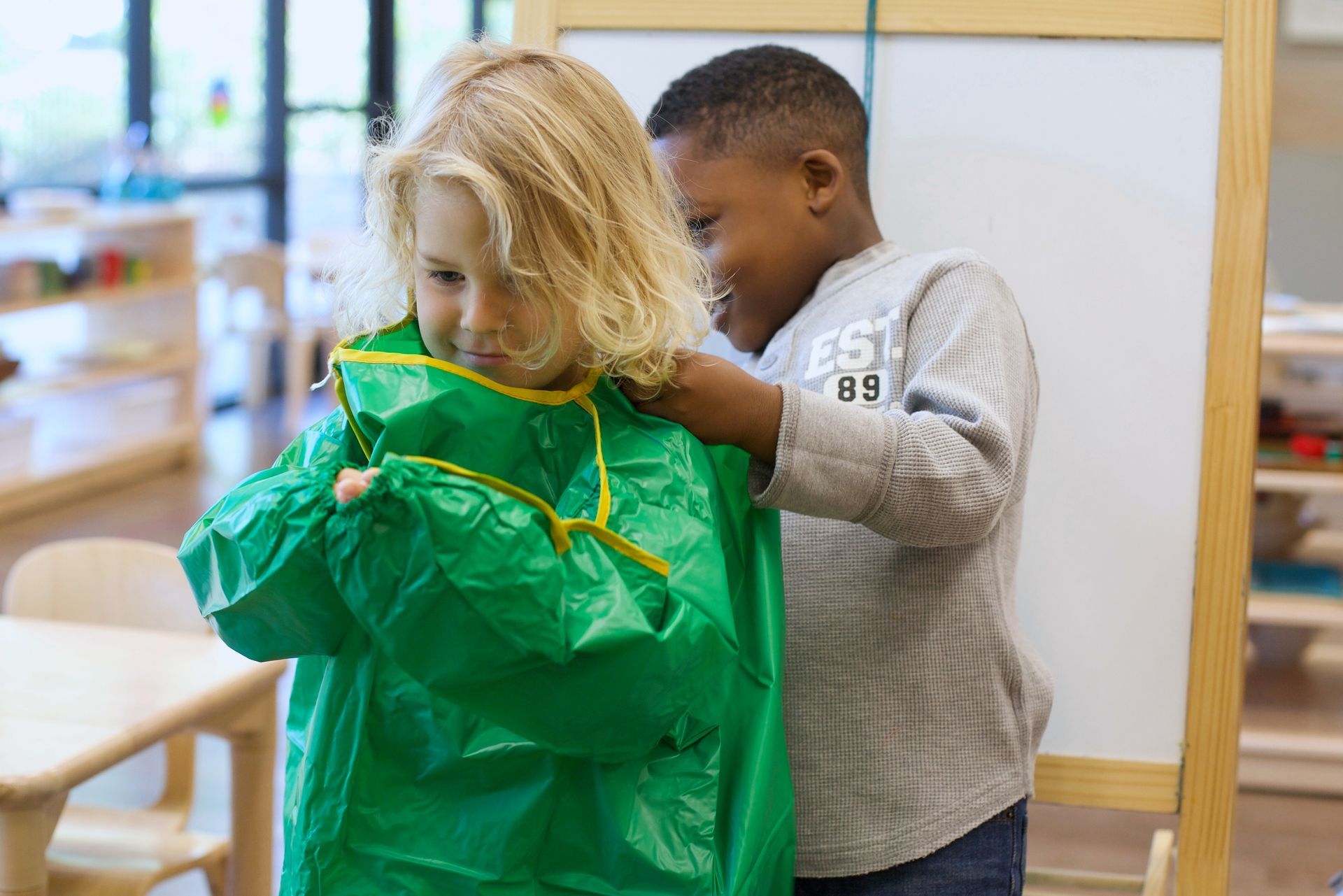
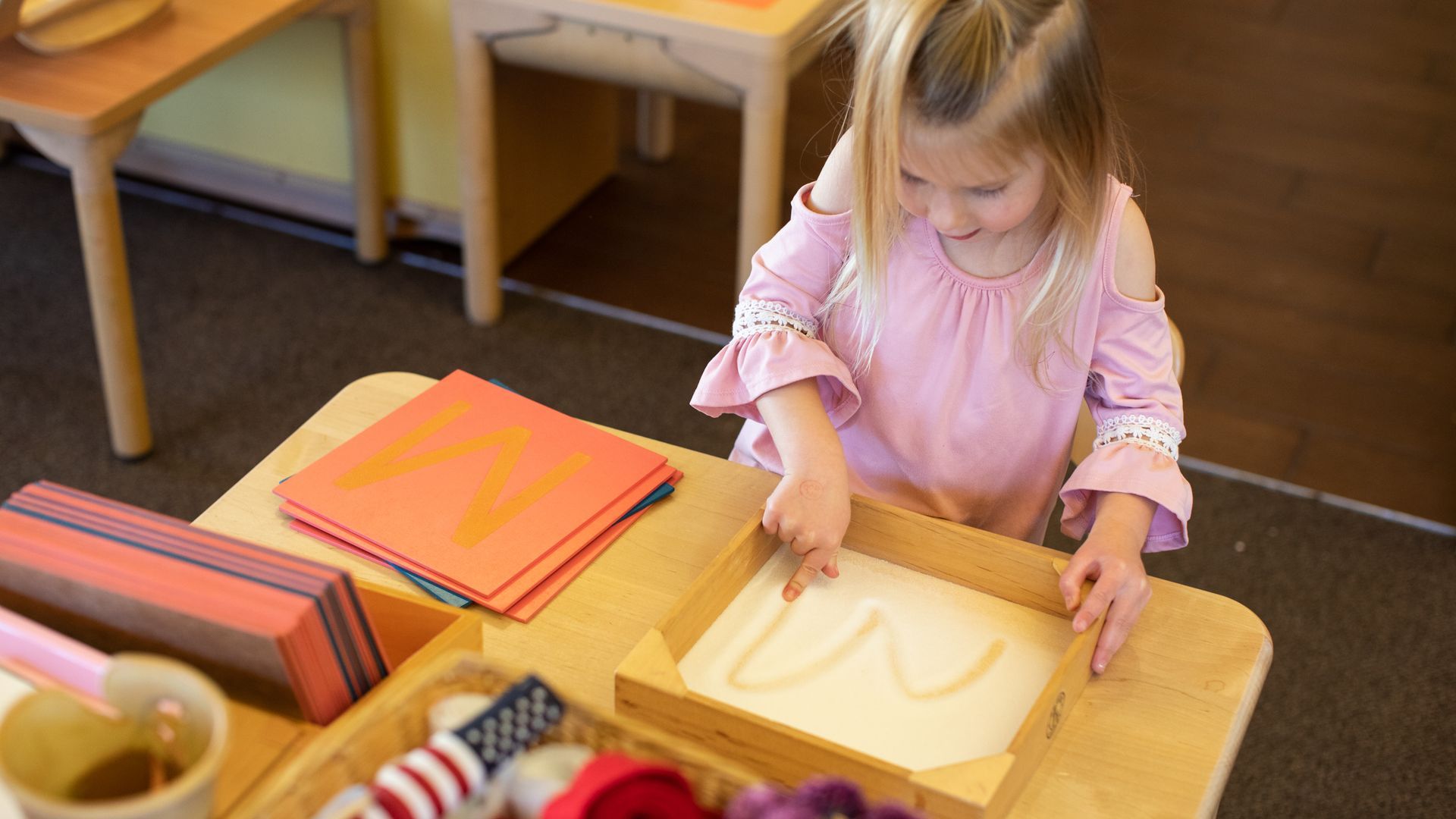
As children enter the Primary classroom, we give them explicit, isolated lessons in grace and courtesy so they can practice social mechanics with confidence. We roleplay how to greet a guest, how to politely interrupt someone to ask for help, how to carry a chair safely, and how to resolve a conflict with words.
Equally important is learning how to care for oneself and the prepared environment. We break these down into manageable, independent steps:
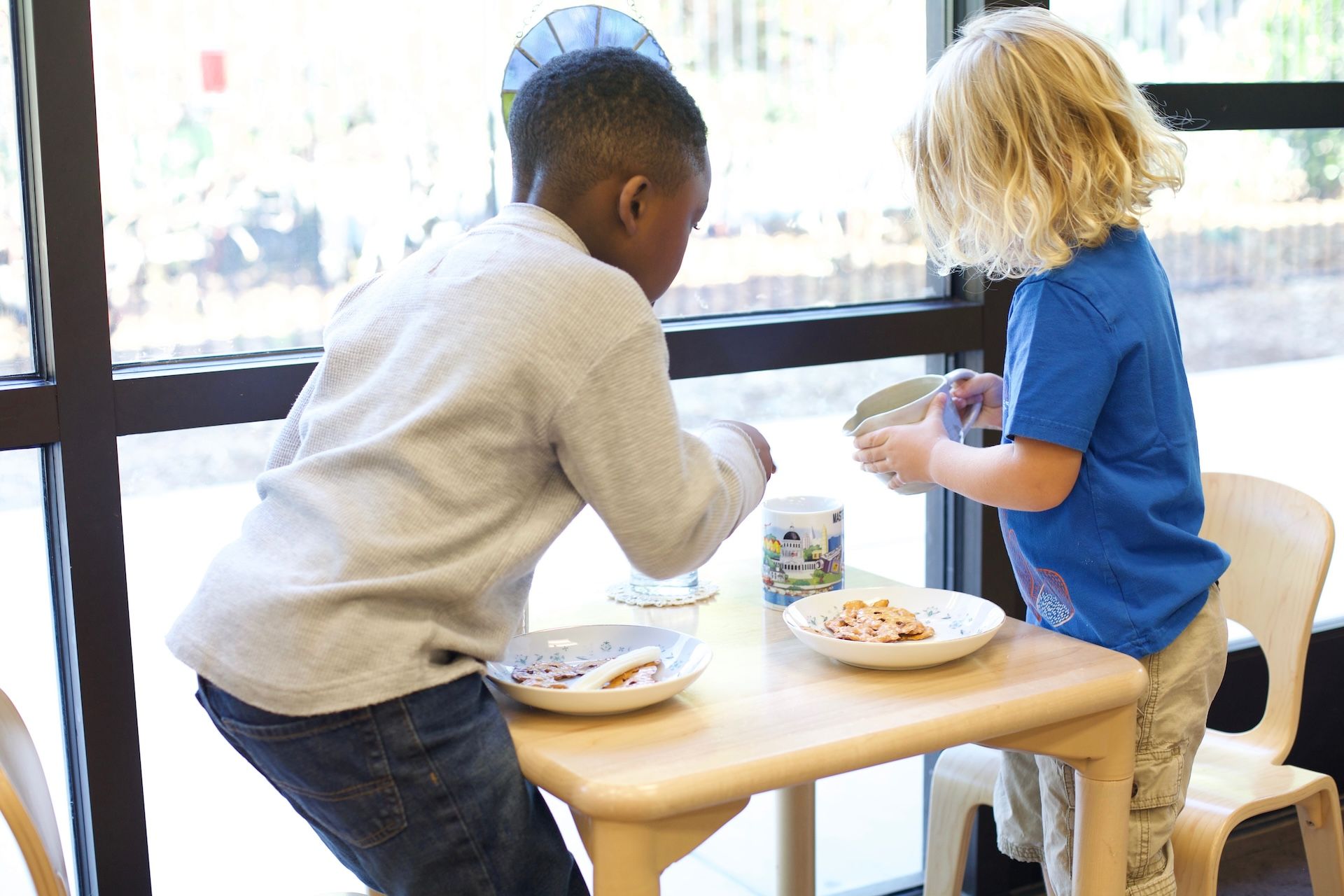
- Self-Care: Learning to wash their hands thoroughly and wipe crumbs from their face after a snack.
- Care of the Environment: Rolling up a workspace mat, returning materials to the shelf exactly as they found them, watering garden plants, and using a small broom to sweep up a spill.
When children realize they are capable of maintaining their own environment, it builds a deep sense of pride, self-worth, and mutual respect for the community spaces they share with others.
The Elementary Years: Looking Outward
During the elementary years, children undergo a massive developmental shift. They move from the "what" to the "why," becoming highly capable of abstract thought. They also develop a fierce, innate drive toward fairness and justice, making them perfectly primed to explore concepts of peace, empathy, and systemic kindness.
At this stage, we can be honest and compassionate when discussing real-world challenges. Elementary children naturally want to know how the world works, and they possess an incredible desire to help. Service projects and community outreach become a beautiful manifestation of grace and courtesy at a societal level.
The Golden Rule of Elementary Service: For the learning to be truly effective, the child must be involved in the entire process. They should help identify the need, collaborate on the action plan, and execute the work themselves.
Some ways our elementary students have naturally engaged with the wider community include:
- Organizing a fundraiser for diabetic children in Mexico.
- Knitting scarves and hats for African refugee families in Boise.
- Visiting community elders to share time, crafts, stories, and connection.
- Organizing Earth Day Week and neighborhood clean-up days.
- Sorting and packing donations for the Idaho Food Bank.
Bringing Grace & Courtesy Home: A Quick Guide for Families
To help bridge the environment between Rose Hill Montessori and your home, here is a quick summary of how you can support this developmental work:
| Development Stage | Core Home Focus | Practical Action Steps |
|---|---|---|
| Primary | Independence & Environment | • Create accessible home setups (low hooks for coats, accessible step stools). • Teach them the physical steps to meet their own hygiene and dressing needs, then step back and give them space to do it. • Invite them into daily household chores like sorting laundry, wiping tables, or loading dishwasher safe items. |
| Elementary | Community & Contribution | • Channel their desire for fairness into meaningful discussions about the world. • Support their natural drive to contribute by helping them research and execute small-scale service projects for causes they bring to you. • Practice open, respectful conflict resolution during family meetings. |
Thank you for taking the time to partner with us, for being an essential part of the Rose Hill Montessori community, and for inviting us to walk alongside your family on this parenting journey. Whether you have been with us for years or are just beginning to explore what Montessori could mean for your child, we are grateful for the trust you place in this shared work. Together, by cultivating these daily acts of grace and courtesy, we help our children shape a more peaceful, empathetic, and gentle world.